


Are synthetic wigs safe? For most people, yes-but comfort and scalp safety depend on the wig’s quality, fit, hygiene, and how you wear it. This guide will inform you of some key things to be aware of when deciding whether to wear synthetic wigs and how to wear synthetic wigs safely.
Synthetic wigs can be a great choice for many consumers because they are easy to care for, hold their shape well, and tend to require less effort to style on a day-to-day basis compared to human hair wigs. They are widely used for fashion, convenience, and hair loss support.
Still, many shoppers wonder whether synthetic wigs are truly safe for the scalp and skin. This safety question is especially relevant for people who wear wigs frequently or perspire heavily, or have sensitive scalps.
Lucky for you, the majority of synthetic wigs are safe to wear as long as they are manufactured well, properly fit, and maintained in a sanitary manner. Most problems come from friction, trapped heat, dirty cap materials, or product buildup-not simply because the wig is synthetic.
Are synthetic wigs generally safe to wear?
In general, yes. Synthetic wigs are designed for external wear and are commonly used by people of all ages for everyday styling, occasional use, or appearance support during hair loss.
For most wearers, the main concern is not serious danger but day-to-day comfort. A synthetic wig that is breathable, lightweight, and properly maintained can feel comfortable and safe for regular use.
This is why the question “are synthetic wigs safe” should be answered with some nuance. The fibers themselves are not usually the biggest issue. The real difference often comes down to wig quality, scalp sensitivity, and wearing habits.
A good synthetic wig should feel secure without being tight, stay reasonably cool during wear, and not leave your scalp itchy, sore, or overly sweaty after a few hours.

When synthetic wigs may feel uncomfortable
Synthetic wigs may feel uncomfortable when the cap traps too much heat, the fit is too tight, or the fibers create friction around the hairline, ears, or nape. In many cases, discomfort builds gradually rather than all at once.
Warm weather can make this worse. If sweat gets trapped beneath the cap, the scalp may start to feel itchy or irritated, especially during long wear.
Another common problem is buildup from products and daily use. When the wig cap, liner, or wig grip is not cleaned often enough, sweat, oil, and residue can collect and make the entire wearing experience less comfortable.
Even a nice-looking wig can feel wrong if the construction is too dense, the lace is scratchy, or the cap is not suited to your scalp’s needs. That is why comfort should be treated as part of safety.
Common causes of discomfort
The most common causes include poor ventilation, rough cap interiors, tight straps, heavy density, and long hours of wear without breaks. These issues are especially noticeable in summer or in active daily routines.
Strong chemical odor can also be a warning sign. While a very faint new-product smell usually dissipates after the item has been aired or washed, an extremely pungent chemical odor could mean the use of substandard materials.
Why comfort matters for safety
When a wig feels uncomfortable, many people keep adjusting it, scratching the scalp, or wearing it too long anyway. Over time, this can lead to irritation around the hairline or pressure in sensitive areas.
A wig does not need to cause a major reaction to be a poor fit for your routine. Repeated itching, sweating, or soreness is already a sign that something needs to change.

Who should be extra careful with synthetic wigs?
Some people can wear synthetic wigs all day with very little trouble. Others need to be more selective about wig construction, cap materials, and wearing time.
If you have a sensitive scalp, a history of skin irritation, or active hair thinning, you may notice discomfort sooner than other wearers. This does not mean you cannot wear synthetic wigs. It means you should choose more carefully.
People who sweat heavily also need to pay attention. Sweat trapped under a dense or poorly ventilated wig can quickly lead to itching, pressure, or a sticky feeling around the scalp.
Those who wear wigs for long daily hours should also be more intentional. The longer a wig stays on, the more important fit, breathability, and hygiene become.
Sensitive scalp and skin concerns
If your scalp reacts easily to friction, heat, or lace, you may do better with softer cap construction and lighter styles. Wig liners can also help create a gentler barrier between the cap and the scalp.
Allergies and irritation risk
True allergic reactions are not the most common issue, but some people may react to cap materials, adhesives, product residue, or poor hygiene rather than to the synthetic fibers themselves.
Heavy sweating and active lifestyles
If you sweat often, synthetic wigs can still work well, but you may need to clean accessories more often and choose a more breathable design. Comfort usually drops fast when moisture gets trapped under the cap.
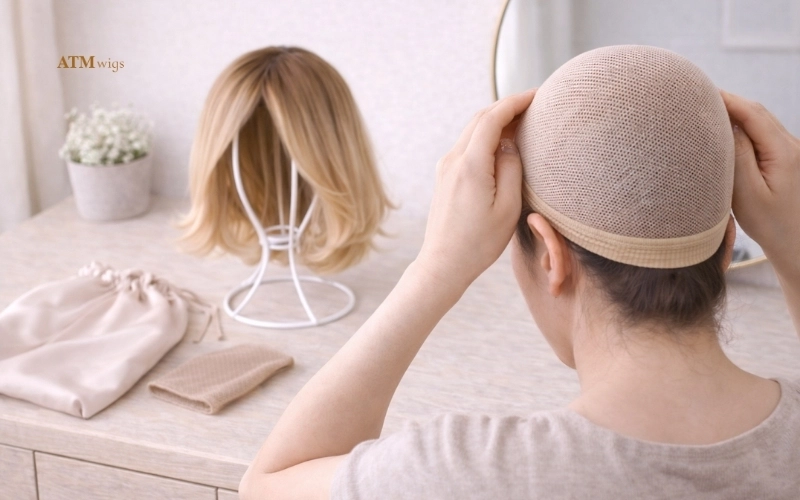
Signs your scalp may be sensitive to a synthetic wig
A sensitive scalp usually gives warning signs early. You may notice itching shortly after putting the wig on, or tenderness around the hairline after only a short period of wear.
Redness, soreness, or a burning feeling are also signs that the cap or fit may not be right for you. In some cases, the scalp simply feels too hot and uncomfortable even when the wig looks fine from the outside.
You may also notice that certain areas react more than others. The nape, temples, and edges are common pressure points because they deal with both friction and warmth.
If these signs happen often, do not ignore them. A wig that consistently irritates your scalp is not the right setup, even if the style itself looks good.
Watch for these common signs
Look out for:
- itching after short wear
- redness near the hairline
- soreness behind the ears
- burning or prickly feeling
- sweaty, irritated scalp under the cap
- discomfort that improves when the wig is removed
These signs usually point to a comfort or hygiene problem that should be addressed early.
Are synthetic wigs safe for your scalp?
Yes, synthetic wigs are generally safe for your scalp when they fit properly and are worn in a clean, comfortable way. Most scalp problems are related to friction, tightness, trapped moisture, or poor maintenance.
A wig sitting on the scalp does not automatically damage it. Rather, the problems are typically caused by the amount of time that the wig is being worn, how much air circulation is going to the scalp, and how well the wig cap and the accessories are cleaned.
This is especially important for people who wear wigs over fragile hair, a tender scalp, or thinning areas. In those cases, reducing friction and keeping the scalp dry matters even more.
If you want a synthetic wig to feel safer for your scalp, focus on cap comfort, washing routine, and wearing habits rather than only the fiber label.
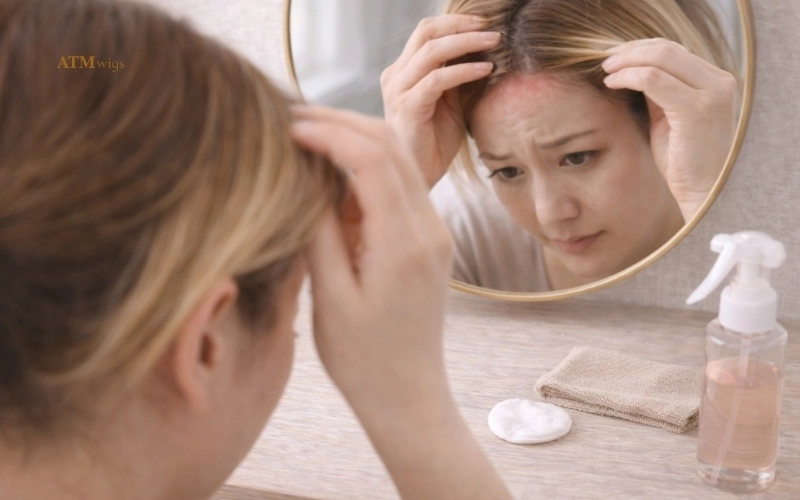
Are synthetic wigs safe to wear every day?
For many people, yes. Synthetic wigs can be safe for daily wear if the wig is comfortable, the cap is breathable, and the scalp is cared for properly underneath.
Daily wear becomes more difficult when people wear one wig for too many hours without cleaning it, sleep in it too often, or ignore early signs of discomfort. The issue is usually routine, not the concept of daily wear itself.
Lighter densities and manageable lengths often feel better for everyday use. A wig that is too thick or warm may be harder to tolerate over time, especially in hot climates.
If you wear a synthetic wig daily, rotating between wigs can help. It gives each wig time to rest and makes it easier to maintain cleanliness and shape.
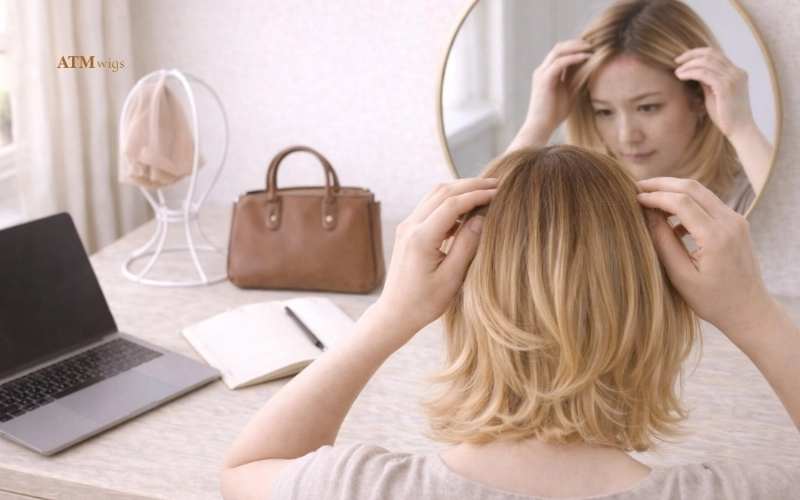
Can synthetic wigs cause irritation?
Yes, they can. But irritation usually comes from practical issues such as friction, poor fit, dirty accessories, trapped sweat, or styling product buildup.
For example, a dirty wig cap or unwashed wig liner can collect oil, sweat, and residue over time. That buildup may then sit directly against the scalp and make it feel itchy or sticky.
The same goes for products used with the wig. Sprays, leave-in conditioners, and adhesives can be helpful, but too much residue may make both the fibers and cap less comfortable to wear.
So when people ask whether synthetic wigs cause irritation, the answer is yes, sometimes-but the cause is often preventable with better care and product control.

Why cap hygiene and accessories matter
Wig safety is not only about the hair fiber. The cap, liner, wig grip, combs, clips, and any product touching the wig all play a role in comfort and scalp health.
A clean wig can still feel uncomfortable if the liner underneath has old product residue or trapped sweat. In the same way, a soft wig may still irritate the scalp if the wig grip is too tight or never washed.
This is why cap hygiene matters so much. Keeping these items clean reduces buildup, lowers the risk of itching, and makes daily wear much easier.
Pay attention to the whole wearing system, not just the wig itself. A better routine under the wig often improves comfort more than people expect.
What to keep clean
Try to clean regularly:
- the inside of the wig cap
- wig liners
- wig grips
- combs or clips attached to the wig
- brushes and tools used on the wig
- any product-heavy sections near the hairline or nape
Clean support items can make a big difference in how safe and comfortable a synthetic wig feels.

Tips to wear synthetic wigs more safely and comfortably
Choose a wig with a breathable cap and a fit that feels secure but not tight. Comfort starts with construction, not just style.
Keep both your scalp and wig accessories clean. If you wear liners, wig grips, or use styling sprays regularly, clean them often enough to prevent buildup.
Pay attention to heat and sweat. If you sweat excessively or live in a hot country, you may want to consider lightweight wigs and try to remove the wig frequently to help the scalp cool off.
Do not overuse products on a wig. Heavy product usage (even synthetic) can create a feeling of weight on the scalp if too much is applied frequently. The other option would be not apply too many products to your wig.
If the wig is labeled heat-friendly, follow the heat limit carefully. If it is not, avoid heat styling altogether. You can also learn more about this in can you use heat on a synthetic wig.
Finally, if a wig keeps causing itching or soreness, stop treating it as “normal.” A better fit, a cleaner routine, or a different cap construction may solve the problem.
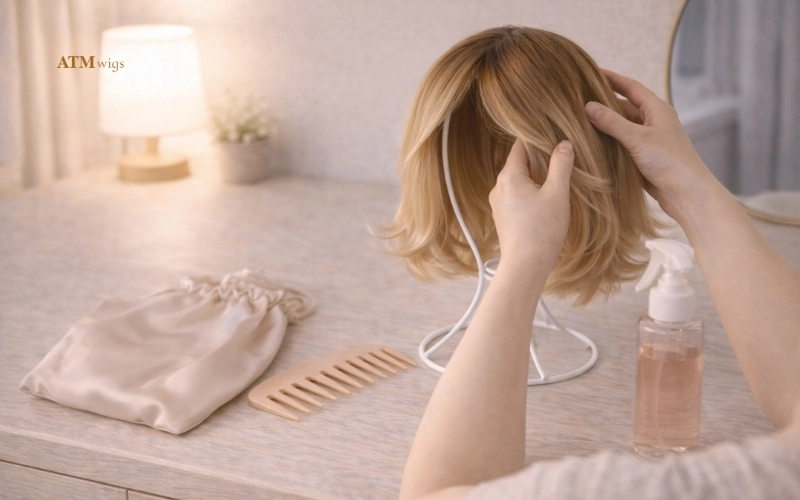
Final answer: are synthetic wigs safe?
The majority of people can all benefit from synthetic wigs regardless of how well they were made, whether they have a cap that has been cleaned, and if the cap matches the wearer’s scalp. Safety is less about fear of synthetic fiber and more about comfort, hygiene, breathability, and smart daily use.
FAQs about synthetic wig safety
Are synthetic wigs safe for your scalp?
Yes, in most cases. They are usually safe for the scalp when the wig fits well, allows airflow, and is worn with good hygiene habits.
Are synthetic wigs safe to wear every day?
They can be. Daily wear is usually fine if the wig is comfortable, not too tight, and cleaned regularly along with any liners or wig grips.
Can synthetic wigs cause irritation?
Yes, sometimes. Irritation is more often caused by friction, sweat, product buildup, or poor cap hygiene than by the synthetic fibers alone.
Who should be extra careful with synthetic wigs?
People with sensitive scalps, skin irritation history, heavy sweating, or long daily wear routines should pay closer attention to fit, breathability, and cleanliness.
How do I know if my synthetic wig is bothering my scalp?
Look for itching, redness, burning, irritation and discomfort that will go away after the wig is removed and not returned.
Do wig products affect safety and comfort?
Yes. Excessive product accumulation on any part of the wig will cause a heavier feeling, make it itchier and create less comfort over time.
So, are synthetic wigs safe? For most wearers, yes-especially when you choose the right cap construction, keep the wig system clean, and respond early to signs of discomfort. To explore comfortable, wearable wig options and professional-quality solutions, browse the ATM Wigs catalog and educational resources.

