


Are synthetic wigs flammable? Yes, they can be. This guide explains the real risk, why melting is often the bigger issue, and how to choose and wear synthetic wigs more safely.
Synthetic wigs are convenient, affordable, and easy to style out of the box. But when shoppers see terms like heat-friendly or heat-resistant, it is easy to assume they are safer around fire than they really are.
That is where confusion starts. A synthetic wig may handle some warmth better than another one, but that does not automatically mean it is safe near an open flame or extreme heat.
If you are trying to understand real-world safety, the key question is not just whether a synthetic wig can burn. It is also whether it can melt, warp, or become damaged in situations that people deal with every day.
Are synthetic wigs flammable?
Yes, synthetic wigs can be flammable. Many synthetic fibers can burn, singe, or melt when exposed to an open flame or very high heat.
For most people, though, the more common risk is not dramatic ignition. It is melting. A synthetic wig may become damaged by heat before it ever catches fire.
That is why this topic matters. If a wig melts near a stove, candle, heater, or stage effect, the result can still be serious from a safety and product-use standpoint, even without visible flames.
So the clearest answer is this: synthetic wigs are not something you should treat as fire-safe, and marketing terms should never be read that way.

What happens near open flame: burn vs melt
When a synthetic wig gets near open flame, two things may happen. It may burn, and it may melt. In many cases, melting starts first.
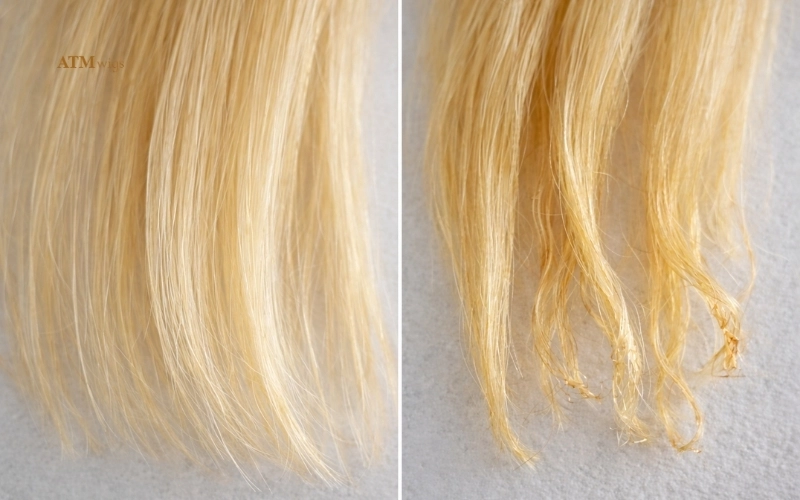
This matters because melting is often the more realistic everyday risk. Synthetic fibers can shrink, harden, stick together, or lose their shape after brief exposure to strong heat.
That kind of damage may happen faster than people expect. You may not see a dramatic fire event, but the wig can still be ruined by a hot surface, a close flame, or intense heat from the environment.
Melting also changes how the wig looks and feels. Fibers may become stiff, glossy in an unnatural way, or clump together at the ends. Once that happens, the damage is often difficult to reverse.
So while “flammable” is the keyword people search, “melt” is often the more practical warning sign for real life.
Flame-retardant, heat-resistant, heat-friendly: what’s the difference?
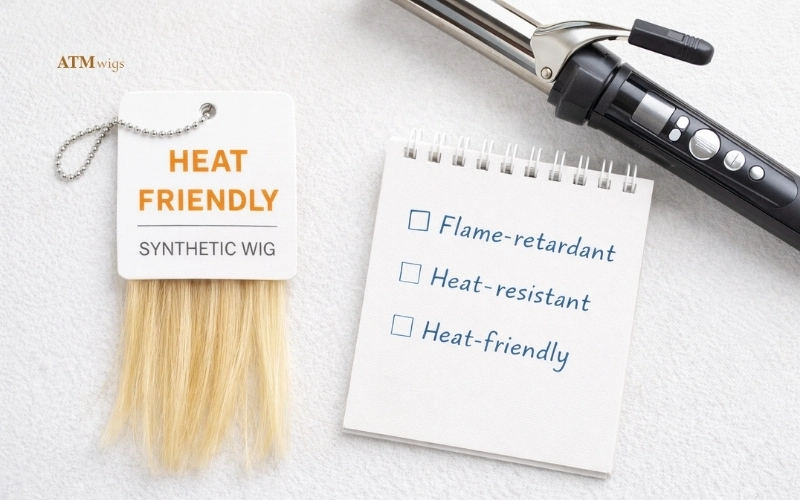
These terms are often used in ways that confuse buyers. They do not mean the same thing, and they should not be treated as interchangeable.
Flame-retardant
Flame-retardant usually means a material is designed to slow down ignition or reduce how quickly flame spreads. It does not mean the wig cannot be damaged by heat.
A flame-retardant product is also not the same thing as fireproof. It may still melt, deform, or become unsafe under enough heat exposure.
Heat-resistant
Heat-resistant is a broader term. It usually suggests that a material can handle some degree of heat better than standard alternatives.
That still does not tell you whether it is safe near open flame. A fiber may resist moderate heat better than another one and still perform poorly around candles, smoking, or high-heat environments.
Heat-friendly
Heat-friendly is the term most often seen in wig marketing. In wig shopping, it usually means the fiber is designed to tolerate some controlled heat better than regular synthetic hair.
But this is where buyers often get misled. Heat-friendly does not mean flame-retardant. It does not mean safe around an open fire. It also does not mean the wig is protected from melting.
That difference is important. A heat-friendly wig may still be damaged in exactly the kind of situations people are worried about when they search “are synthetic wigs flammable.”
If you are asking about curling or straightening tools, see: Can you use heat on a synthetic wig?
Real-life situations that increase risk
The biggest danger usually comes from ordinary environments, not extreme accidents. That is why buyers need practical examples instead of vague safety language.
Cooking
Cooking is one of the most common situations where synthetic wigs can be exposed to risk. Gas stoves, oven heat, bursts of steam, and leaning over hot surfaces can all bring fibers too close to intense heat.
Longer wigs are especially vulnerable because the ends may swing forward without the wearer noticing.
Candles
Candles are easy to underestimate. A synthetic wig does not need prolonged contact with flame to be affected. Getting too close while leaning across a table or moving around a room can be enough to damage fibers.
Smoking
Cigarettes, ash, and lighters create an obvious risk around synthetic fibers. Even a brief contact point can leave a visible melted area or singed patch.
Heaters and fireplaces
Space heaters, radiators, and fireplaces may not seem as risky as direct flame, but strong heat over time can still affect a synthetic wig. The closer the exposure, the higher the risk of warping or melting.
BBQ and outdoor gatherings
Barbecues combine open flame, hot air, and movement. That mix can be risky for longer synthetic styles, especially outdoors, where people may be less aware of how close they are standing.
Events with pyrotechnics or stage effects
Concerts, weddings, club events, and performances sometimes include pyrotechnics, spark effects, or intense stage heat. In those spaces, a synthetic wig may be more exposed than usual.
That does not mean you cannot wear one. It means the environment matters more than many buyers realize.

How to reduce risk
The safest approach is to treat synthetic wigs as products that need distance from flame and strong heat. Small habits make a real difference.
Keep the wig away from open flame whenever possible. That includes candles, gas burners, grills, lighters, fireplaces, and smoking areas.
Be more aware in kitchens and at events. If you are in a setting with heat sources, movement, or crowding, pay attention to how close the wig is getting to the environment around you.
Longer styles need extra care. The longer the wig has, the easier it is for ends to drift toward heat without notice.
Choose well-ventilated spaces when possible. Heat tends to feel more intense in tight, enclosed environments, especially when combined with cooking, smoke, or decorative fire features.
Read brand instructions and warnings carefully. If a product page, tag, or packaging includes heat cautions, treat that information seriously instead of assuming the wig will be fine.
Most importantly, never try to “test” whether a wig is flammable by exposing it to fire. That is not a safe or useful method, and it can create unnecessary danger.

How to choose safer options
If safety is one of your priorities, choosing the right wig starts before purchase. Buyers should look beyond styling claims and pay attention to how the product is described.
Check the fiber description
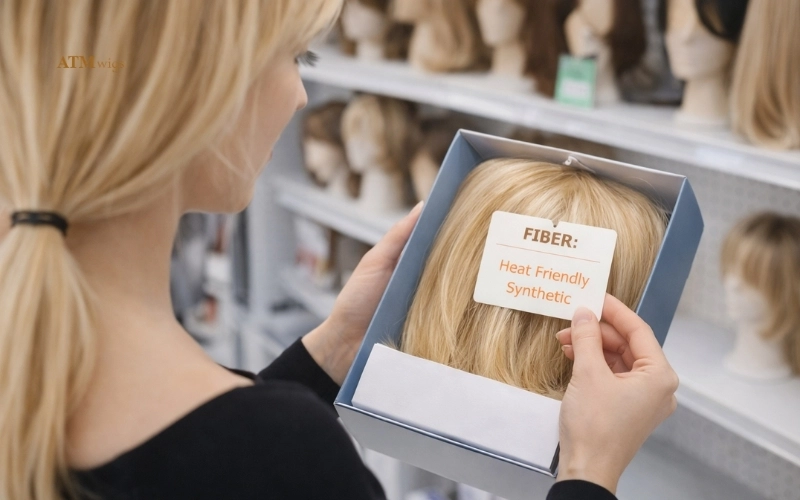
A good product listing should tell you what type of synthetic fiber is used or at least explain whether the wig is regular synthetic or heat-friendly. That gives you a more realistic expectation of how the wig may respond to heat.
Look for clear warnings or safety guidance
Brands that explain what the wig should be kept away from are usually giving you more useful information than brands that only use broad marketing phrases.
A clear caution is often more valuable than a vague promise.
Ask the supplier the right questions
If the description is unclear, ask direct questions. Is the wig regular synthetic or heat-friendly? Does the brand describe it as flame-retardant? Are there specific warnings about open flame or high-heat environments?
That is especially helpful when buying from a salon supplier, beauty retailer, or online wig specialist.
Understand what flame-retardant really means
If a wig is described as flame-retardant, do not interpret that as total protection. It may only mean the material is designed to slow flame response under certain conditions.
It does not mean zero risk. It does guarantee no melting. And it definitely does not mean the wig should be treated casually around fire.
Choose brands that communicate clearly
A trustworthy wig brand should make it easier to understand what you are buying. Clear fiber information, realistic claims, and practical safety notes are all good signs when comparing products.
FAQs about synthetic wigs and heat
Are synthetic wigs fire resistant?
Not by default. Some wigs or fibers may be described as flame-retardant, but most synthetic wigs should still be treated as vulnerable to flame and high heat.
Do synthetic wigs melt?
Yes, many synthetic wigs can melt. In everyday situations, melting is often a more common risk than full burning.
Are heat-friendly synthetic wigs also flame-retardant?
No, not automatically. Heat-friendly and flame-retardant are different claims, and one should not be inferred from the other.
Can synthetic wigs catch fire?
Yes, they can. Open flame or intense heat can cause a synthetic wig to burn, singe, or melt.
Are synthetic wigs safe near candles or fireplaces?
They are safer when kept at a clear distance. Synthetic wigs should not be treated as safe for close exposure to candles, fireplaces, or similar heat sources.
What should I check before buying a synthetic wig?
Check the fiber description, safety wording, brand warnings, and whether the terms used are specific or just marketing language.
Are synthetic wigs flammable? Yes, they can be, and in daily life, the bigger concern is often melting rather than dramatic burning. For more wig guidance and professionally selected options, explore the ATM Wigs catalog and services to find styles that fit your needs with clearer confidence.

