


Want to learn how to curl synthetic wig without heat and still get curls that look soft, defined, and wearable? This guide covers the best heatless methods, plus the “set + release” rules that stop frizz, tangles, and curls that fall out too fast.
Heatless curls aren’t instant—you’re trading heat for time. If you plan for a full dry set (often overnight) and handle the fiber gently, you can get consistent results that look natural and last longer.
Before you curl: understand synthetic fiber
Synthetic hair doesn’t “reform” like human hair. Instead, it takes on a shape through tension and drying, which is why section size, moisture level, and full drying matter more than the brand of roller you use.
Heatless methods work on both regular synthetic and heat-friendly synthetic, but regular fibers can frizz more easily if you over-brush or over-separate. Keep friction low, keep product lightweight, and let the curls settle before you touch them too much.
If your wig has heavy product film, sticky residue, or matting at the nape, fix that first. Curling over tangles usually creates uneven curls and makes the ends look rough or “puffy.”

What you’ll need (simple heatless curl kit)
You can keep this simple. Most people only need one curling tool and a few basics to control friction and drying.
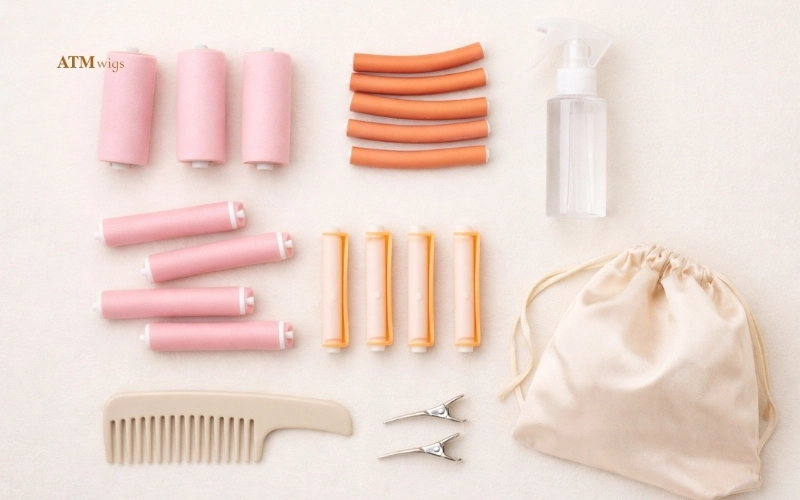
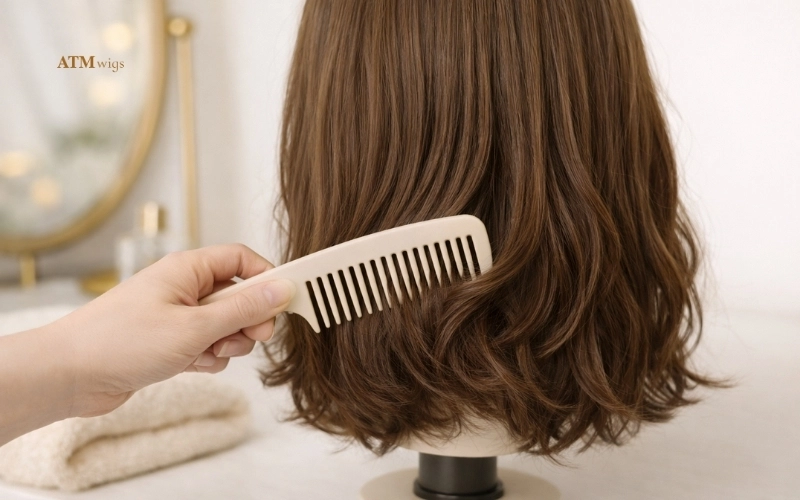
Tools: foam rollers, flexi rods (bendy rollers), perm rods, or just braids; duckbill clips; hair ties; a spray bottle; a wide-tooth comb; and a wig stand for drying. If you have a wig brush designed for synthetic fiber, use it only for detangling before you curl—not for brushing curls out.
Products (optional but helpful): a lightweight wig-safe setting spray or setting lotion and a light detangling/anti-static mist. Skip heavy oils, thick gels, waxes, and anything sticky—those often create buildup and make synthetic look stiff or overly shiny.
Prep steps that make heatless curls hold
Start by detangling from the ends upward in small sections, supporting the hair with your free hand. The nape tangles fastest because of friction from collars and movement, so give that area extra patience and never rip through knots.
Next, mist the hair until it’s slightly damp—not wet. If it’s dripping, it will take forever to dry and can dry with dents. If it’s too dry, the fiber won’t “set” into the curl pattern and your curls can fall out quickly.
Finally, section the wig into zones (top/crown, sides, back, nape). Smaller sections create tighter curls and stronger hold, while larger sections create softer curls and a looser finish. Consistent section size is the difference between “salon-like” and “random.”
Heatless curl methods (pick your finish)
Before you commit to the whole wig, do a quick test on one hidden section. Synthetic fiber varies by brand and density, and a 5-minute test can save you from finishing the entire wig and wishing the curl was tighter or looser.
Here’s what to expect, realistically: larger tools (jumbo foam rollers, thick braids) give loose curls or waves with lighter hold, while smaller tools (perm rods, pin curls) give tighter curls that usually last longer. If your goal is “soft curls that last,” medium flexi rods or medium foam rollers are often the sweet spot.
Method 1: foam rollers (soft, natural curls)
What to expect: soft curls or a loose bend; medium hold (often 1–2 days); great for medium to long wigs.
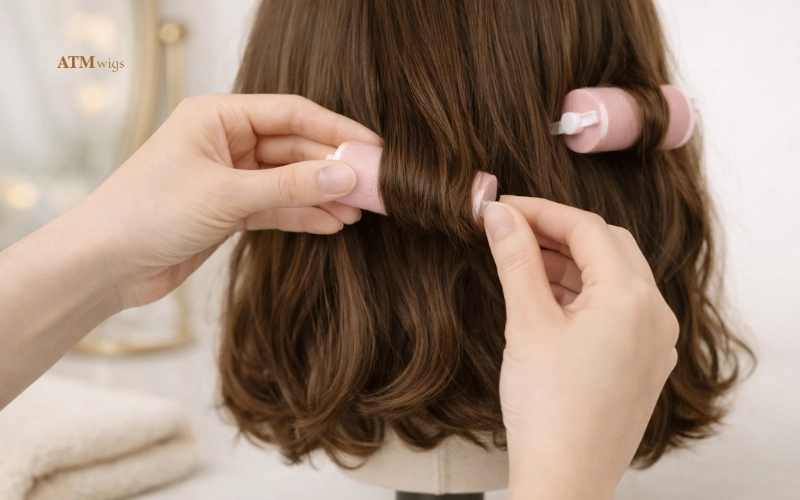
Work in sections and smooth the ends before rolling—messy ends create kinked tips that can look synthetic. Wrap the ends neatly around the roller, roll upward with steady tension, and clip securely without crushing the curl shape.
Leave rollers in until the hair is fully dry. When you unroll, unwind slowly instead of pulling straight down, then let curls fall and settle before you separate them.
Method 2: flexi rods / bendy rollers (defined, bouncy curls)
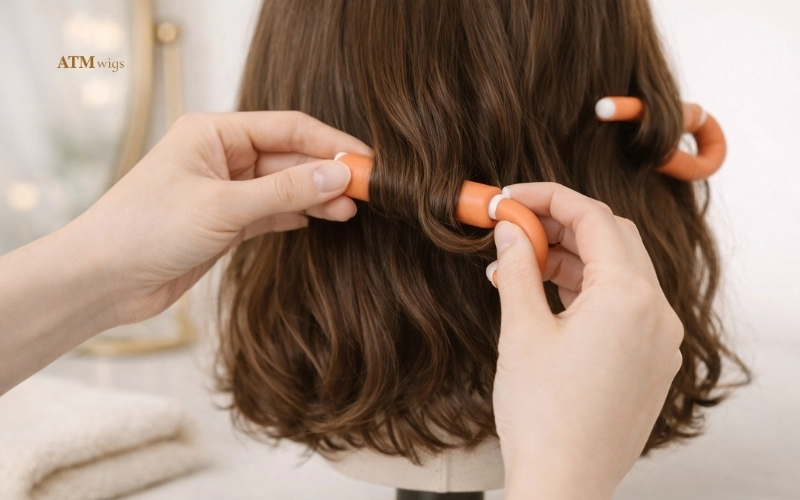
What to expect: defined curls with bounce; medium–strong hold (often 2–3 days); great for face-framing pieces.
Take a small damp section and wrap it flat around the rod, keeping the strand smooth as you go. If the strand bunches while wrapping, you’ll get uneven curl texture and a frizzy outer layer.
Secure by bending the rod ends inward. For a more natural curl pattern, alternate curl direction between sections rather than curling everything the same way.
Method 3: perm rods (tighter curls, longer hold)
What to expect: tighter curls and more volume; strong hold (often 2–4 days); best for short styles or reviving lost curl patterns.
Use smaller sections than you think you need—this is where perm rods win. Wrap ends carefully and keep them flat, then roll upward and secure. Clean ends matter a lot on synthetics because frayed tips show up more.
If curls are too tight, separate with fingers only. Brushing tight synthetic curls usually turns them fluffy and less realistic.
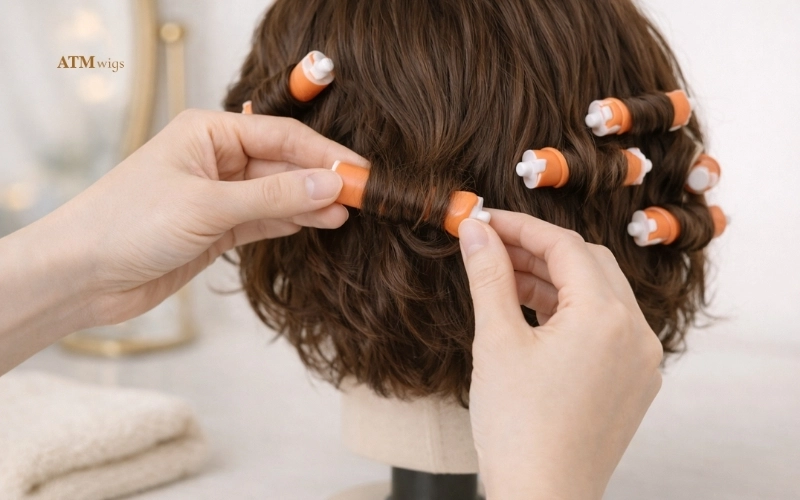
Method 4: pin curls (controlled shape, great for the front)
What to expect: controlled curl with natural movement; medium hold (often 1–2 days); ideal for bangs and shorter lengths.
Twist a small section into a neat coil, lay it flat against the hair, and clip it down. Keep your coils consistent in size so the curl pattern doesn’t look patchy.
When fully dry, unclip gently and let the curls settle. This method is especially good for shaping the front without bulky rollers.
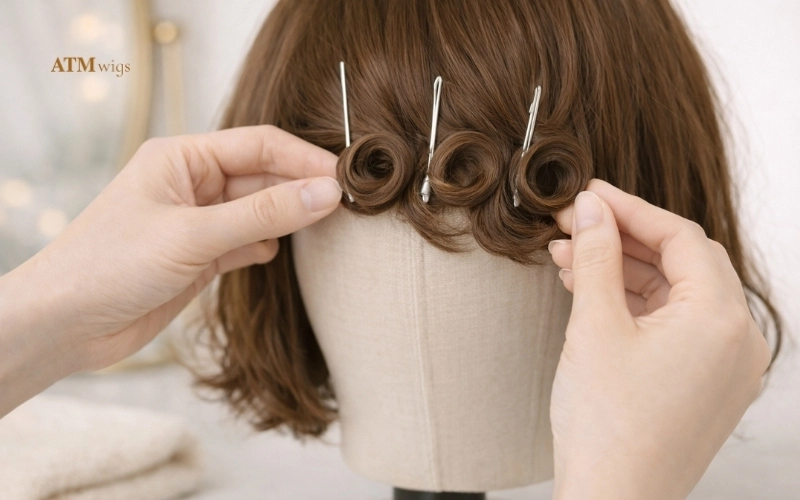
Method 5: braid-out (heatless waves)
What to expect: waves rather than ringlets; light–medium hold (often 1–2 days); best for straight synthetic wigs.
Mist lightly and braid into 2–6 braids depending on how loose you want the waves. More braids = tighter waves, fewer braids = looser texture. Secure the ends gently so you don’t create hard creases.
Undo only when completely dry, then separate with fingers. A wide-tooth comb is optional if you want very soft waves, but use it once—over-combing can create frizz.
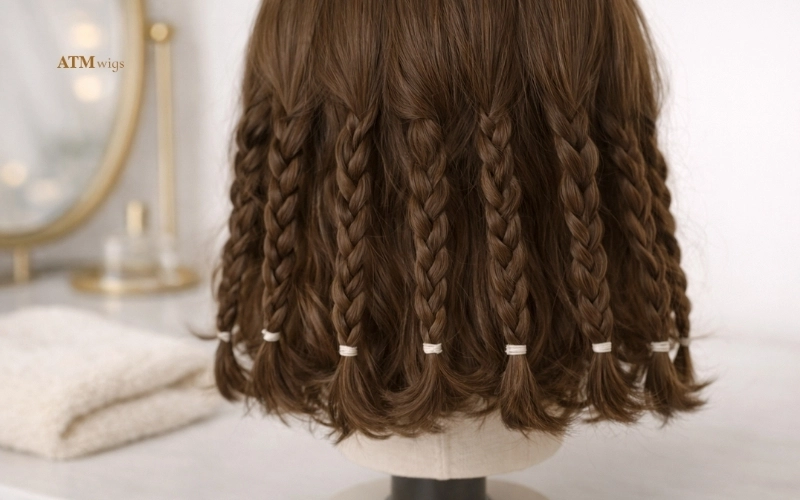
Drying and setting rules (the make-or-break part)
Synthetic curls hold when they dry in shape. If you release too early, they drop fast—no matter how good the method is.
Two rules are non-negotiable: fully dry before release and gentle release. If the rolled section still feels cool inside, moisture is trapped and the curl isn’t set yet. If you yank curls off rollers, you’ll stretch them out and rough up the fiber surface.
Dry the wig on a stand in a ventilated space. Avoid compressing curls under anything while they dry, and expect longer drying time in humid weather. Heatless styling is all about timing, so build that into your routine.
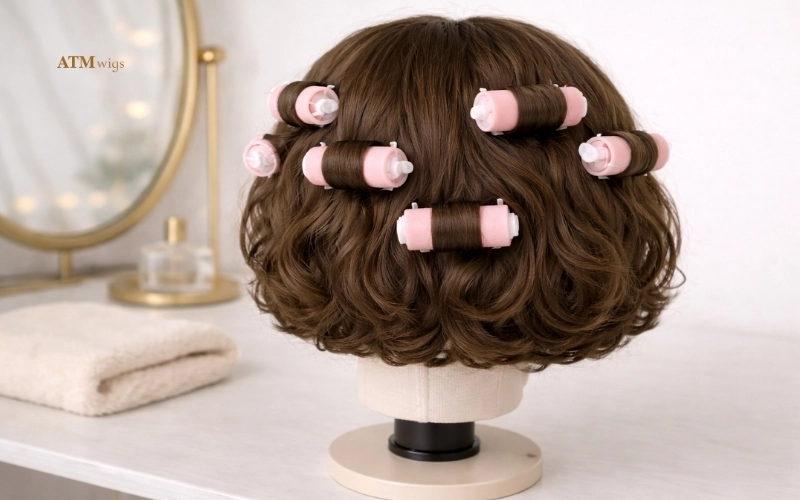
How to release curls without frizz
Unroll or unwrap slowly, supporting the curl near the base. If a strand snags, pause and loosen it—pulling is what creates frizz and can make ends look rough.
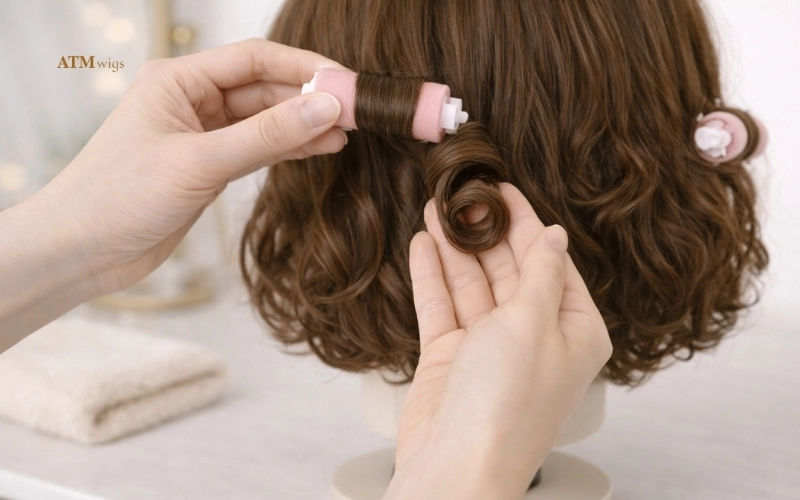
After releasing, give the curls a moment to “settle.” Then separate lightly with your fingers for volume and a more natural finish. If you separate too aggressively, you’ll trade definition for fluff.
For flyaways or static, use a light anti-static or wig conditioning mist from a distance, then let it dry. Keep product minimal—too much can cause residue and make synthetic look stiff.
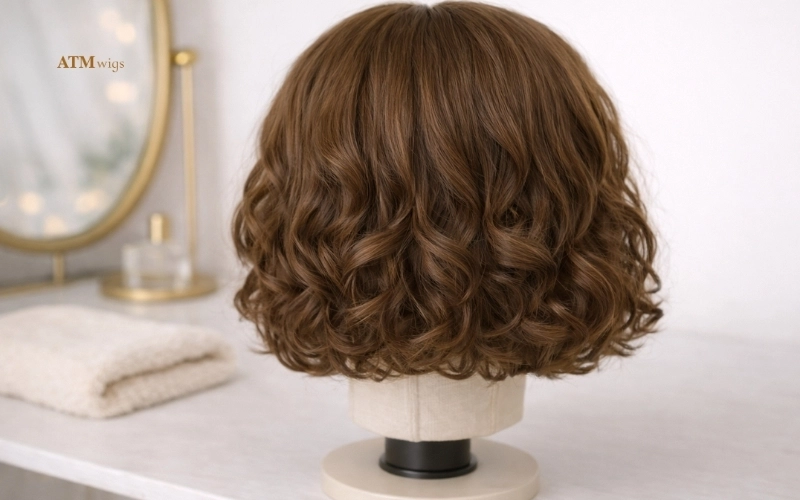
How to make heatless curls last longer
Most curl loss comes from friction. The nape is the first place curls get stretched and tangled because it rubs against collars, scarves, and shoulders.
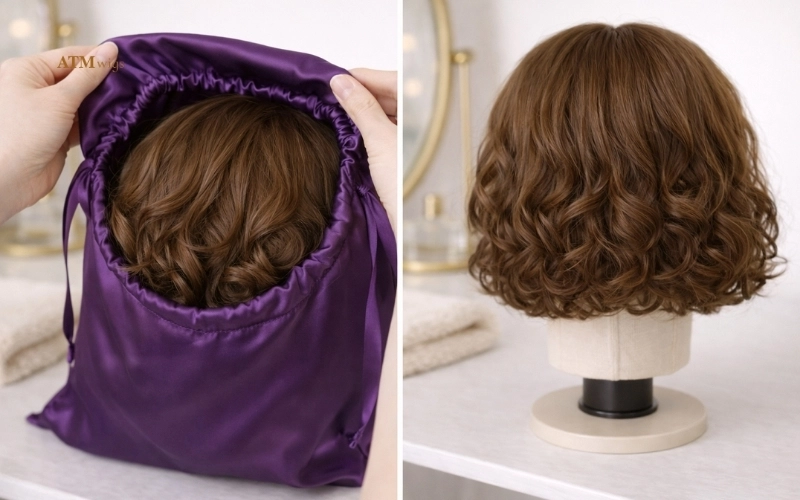
Store the wig on a stand and gently coil the curls back into shape with your hands. For travel, a satin bag helps reduce friction and tangling. If you have to pack it, avoid crushing the curl pattern under heavy items.
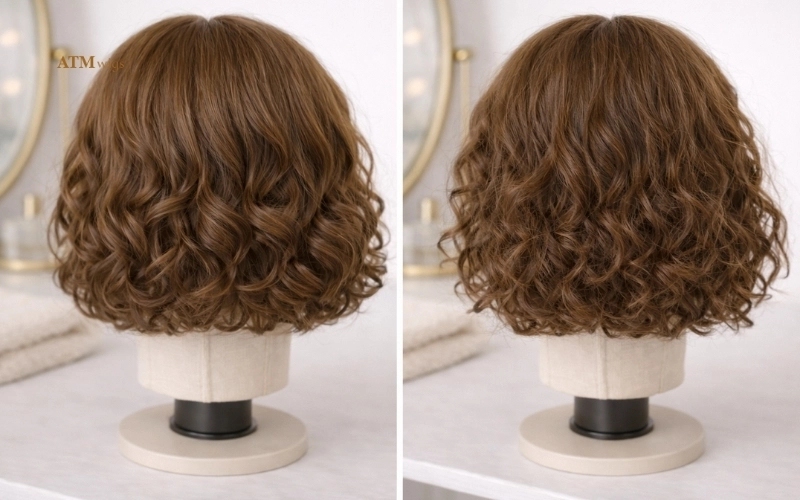
For refresh, don’t redo the entire wig. Mist lightly and scrunch, or reset just the front pieces with a couple of small rollers or pin curls. Targeted touch-ups keep the texture smooth and prevent over-manipulation.
Troubleshooting (fast fixes that match real problems)
If your curls fell out fast, the hair was likely too dry when you set it, the sections were too big, or you released before it was fully dry. Go smaller with sections, keep the hair slightly damp, and give it enough time to dry in place.
If your wig looks frizzy after curling, it’s usually from over-separating, brushing curls, or pulling while unrolling. Use fingers only, separate less, and focus on gentler release.
If ends look kinked or bent, the ends weren’t wrapped flat. Reset only the ends with smaller sections and smoother tension—this one change can make synthetic curls look much more natural.
If the hair feels sticky or crunchy, you likely used too much product or a product that leaves film. Cleanse gently, rinse thoroughly, and switch to a lighter wig-safe setting product.
FAQs about How to curl synthetic wig without heat?
Can you curl a synthetic wig without heat at all?
Yes. Heatless curls work by shaping the fiber with rollers, rods, pin curls, or braids and letting it dry completely in that shape.
How long should I leave rollers in a synthetic wig?
Leave them in until the hair is fully dry. Overnight is common, but humidity, density, and how damp you started can extend drying time.
Which heatless method lasts the longest?
Perm rods and flexi rods often last the longest because they use smaller sections and tighter, more consistent tension.
Why do my curls look frizzy after I curl a synthetic wig?
Most often it’s from brushing curls, pulling while unrolling, or over-separating. Gentle release and finger separation make the biggest difference.
Can I use hairspray to hold heatless curls on synthetic hair?
You can, but keep it light and wig-friendly. Heavy sprays can cause buildup and tangling, especially at the nape.
How do I curl the front pieces without heat?
Pin curls or small flexi rods are ideal for bangs and face-framing pieces because they shape the front neatly without bulky rollers.
How do I prevent nape tangles after curling?
Reduce friction (watch collars and scarves), detangle gently after each wear, and store the wig so the nape isn’t crushed or rubbing.
Once you follow the prep, full dry set, and gentle release rules, how to curl synthetic wig without heat becomes predictable—and the curls look smoother and last longer. If you’re looking for styling-friendly options and quality pieces, explore ATM Wigs’ catalog and services for beautiful wigs designed for wearable, natural-looking results.

