


What is a lace front wig, and why is it one of the most popular wig types today? This guide breaks down how it is constructed, what makes it look natural, and who it is best suited for.
How a lace front wig is constructed
A lace front wig has a thin layer of lace placed along the front hairline, usually from ear to ear. Individual hairs are tied into that lace so the front looks softer and more scalp-like than a standard wig edge.
The lace itself is usually sheer and lightweight. When it sits properly against the skin, it helps blur the line between the wig and the forehead. That is why the front of the wig can appear more natural.
The rest of the wig cap is not usually made from lace. In many styles, the back and sides may be wefted or built with other cap materials to provide structure, support, and comfort.
This is also why parting flexibility is more limited than many beginners expect. A lace front wig mainly improves the front hairline area. It does not usually offer the same all-over styling freedom as a full lace construction.
So when people ask what is a lace front wig, the best short answer is this: it is a wig with lace only at the front, designed to create a more natural hairline where people notice it most.

What makes it look natural
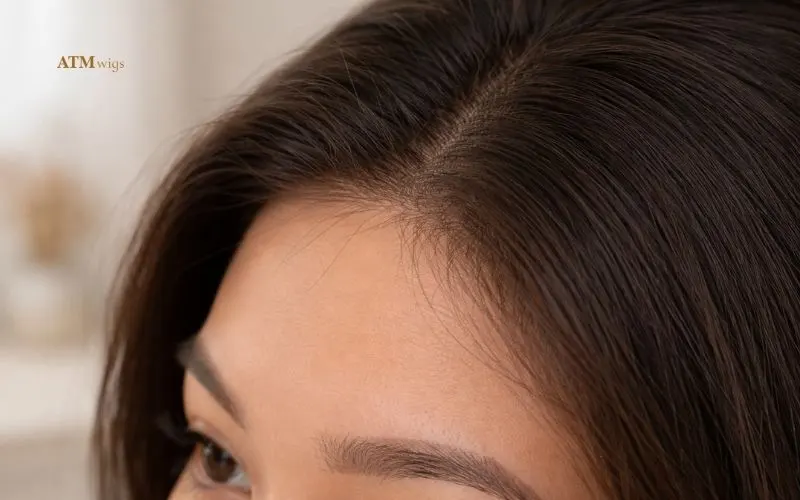
The most important reason a lace front wig looks natural is the hairline. A standard wig can sometimes look dense or blunt at the front, while lace allows the hair to appear lighter and more gradual.
Lace also helps because it is thin and lightly visible rather than thick and solid. When the lace color works well with the wearer’s skin tone, the front edge looks softer and less easy to spot.
Another factor is the knotting. The hairs are tied into the lace rather than sewn into a thick seam. This can create a more realistic transition between skin and hair, especially around the forehead.
Density matters too. If the front is too heavy, even a lace front wig can look less natural. A more balanced density often gives a cleaner, more believable result.
Placement is just as important as construction. Even a good lace front wig may look unnatural if it sits too far forward, too far back, or does not fit securely. That is why fit, lace, knots, and hairline design all work together.
If you want a deeper styling-focused breakdown, this is a good place to internally link to how do you make a wig look natural.
Lace front vs full lace wigs
A lace front wig and a full lace wig are often mentioned together, but they are not the same. The main difference is how much of the cap is made from lace.
A lace front wig has lace only at the front. A full lace wig has lace throughout the cap. Because of that, a full lace wig usually offers more freedom for parting and styling.
That extra flexibility is useful for people who want more advanced styling options, including more movement in where the hair is parted or worn up. A lace front wig, by contrast, focuses mainly on realism at the front hairline.
For many wearers, a lace front wig is enough. It gives the visual benefit that matters most without moving into a more complex construction than they need.
This article only covers the quick difference because the main goal here is definition and basics. For a fuller comparison, link to lace front vs full lace wig.

Lace front vs frontal
These two terms can sound similar, which is why they often get confused. A lace front wig is a complete wig with a lace section at the front. A frontal is usually just the front lace hairpiece, not the full wig.
In other words, the lace front wig includes the full cap and hair unit. A frontal is generally used as part of another hairstyle or wig construction, often combined with bundles or sewn-in hair.
That makes a lace front wig easier for many everyday wearers. It is a complete product rather than just one piece of a larger install.
This difference matters because a person shopping for a ready-to-wear wig may not want the extra work involved with a frontal-based look. For a beginner, a lace front wig is often the more straightforward option.
Since this topic can go deeper, it makes sense to keep this section short and internally link to lace front vs frontal wig.

Pros and cons of lace front wigs
One of the biggest advantages of lace front wigs is the natural-looking hairline. That is the feature most people notice first, and it is the reason this construction remains so popular.
Another benefit is that they work well for hairstyles that move away from the face. The front usually looks softer and more convincing than a regular wig, which can make everyday wear feel easier.
Lace front wigs are also available in many textures, lengths, and hair types. Whether someone prefers human hair or synthetic fiber, there are many options within this construction.
At the same time, there are a few trade-offs. Lace is delicate, so it needs gentle handling. Pulling, rough brushing, or careless storage can damage the front more quickly than with a simpler cap.
Parting is also more limited than some people expect. A lace front wig improves the front, but it does not always give full-cap flexibility. That is an important difference to understand before buying.
Price can vary too. In many cases, a lace front wig costs more than a basic wig because the front construction is more detailed. For many people, though, the improved realism makes that worth it.

Who should choose lace front wigs?
Lace front wigs are often a strong choice for beginners. They offer a more natural-looking result without requiring a full lace cap, which makes them easier to understand and easier to wear for many first-time users.
They also suit people who wear wigs regularly and want a softer front hairline for everyday confidence. If the goal is to make the wig look less obvious around the face, a lace front design is often a smart choice.
They can also work well for daily wear, as long as the wig fits properly and is cared for gently. A good fit matters because the front should lie naturally without constant tugging or readjusting.
For stylists or salons helping clients choose a beginner-friendly option, lace front wigs are often recommended because they balance realism and practicality. That point can be useful, but it should stay secondary here since this article is still top-of-funnel.
A lace front wig may be less ideal for someone who wants maximum styling freedom across the entire cap. In that case, a full lace wig or another construction may be more suitable.

Quick care basics for lace front wigs
Care matters because the lace front area is delicate. The goal is not to overcomplicate the routine, but to protect the hairline so the wig keeps looking neat over time.
When putting the wig on, avoid pulling directly on the lace. It is better to adjust the cap from sturdier areas, such as the sides or inner cap features, rather than stretching the front.
Brushing should also be gentle, especially near the hairline. Start lower down and work upward so there is less tension on the front knots and lace.
When it is time to clean the wig, handle the front carefully and avoid harsh rubbing. Good storage also helps. Keeping the wig on a stand or in a clean, protected space can reduce tangling and maintain the shape.
This section stays intentionally simple because the deeper how-to topics deserve their own guides. From here, you can link to how to remove glue from lace front wig, how long can a lace front wig last, and related washing or detangling articles.

FAQs about what is a lace frontal wig
What is a lace front wig in simple terms?
A lace front wig is a wig with a sheer lace panel at the front hairline. The lace helps the front look softer and more natural.
Do lace front wigs look natural?
Yes, they often look more natural than regular wigs because the lace creates a more realistic hairline. The final result also depends on fit, density, and lace quality.
Is a lace front wig good for beginners?
In many cases, yes. It is a beginner-friendly option because it offers a natural appearance without being as advanced as a full lace wig.
What is the difference between a lace front wig and a full lace wig?
A lace front wig has lace only at the front, while a full lace wig has lace across the whole cap. Full lace usually gives more styling flexibility.
What is the difference between a lace front wig and a frontal?
A lace front wig is a full wig. A frontal is usually just the front lace piece used as part of a larger install or custom wig build.
Can you wear a lace front wig every day?
Yes, many people do. Daily wear is possible as long as the wig fits well and the lace is handled with care.
Do all lace front wigs need glue?
No. Not all lace front wigs require glue. Many are made for the option of not using any adhesive at all; however, they can also be worn with an adhesive type of glue that has a stronger hold and longer durability than other types of adhesives.
How long can a lace front wig last?
The lifespan of a given lace front wig can vary greatly depending on the type of hair being used in its construction, how often it is worn and the frequency of proper maintenance/cleaning. Frequent and regular cleaning and proper care will also greatly increase the lifespan of your lace front wig.
Now that you know what is a lace front wig, it is easier to decide whether this construction fits your style, comfort, and everyday needs. Explore the ATM Wigs catalog to discover lace front options designed for a natural-looking finish and lasting wear.

